The Hidden Price of Competitive Gaming
Read more
7 months ago


The small detail that can shape your comfort and recovery
LASIK can be an exciting step toward clear vision without glasses or contact lenses. Before moving forward,
there is one important topic worth understanding together: Dry Eye Disease (DED). It is common and closely
linked to how comfortable your eyes feel throughout the LASIK journey.
So, What Exactly Is Dry Eye Disease?
Dry Eye Disease happens when your eyes do not produce enough quality tears to stay moist and protected.
Symptoms may include dryness, burning, blurry vision, or a gritty feeling. Many people only notice these when
preparing for eye surgery.
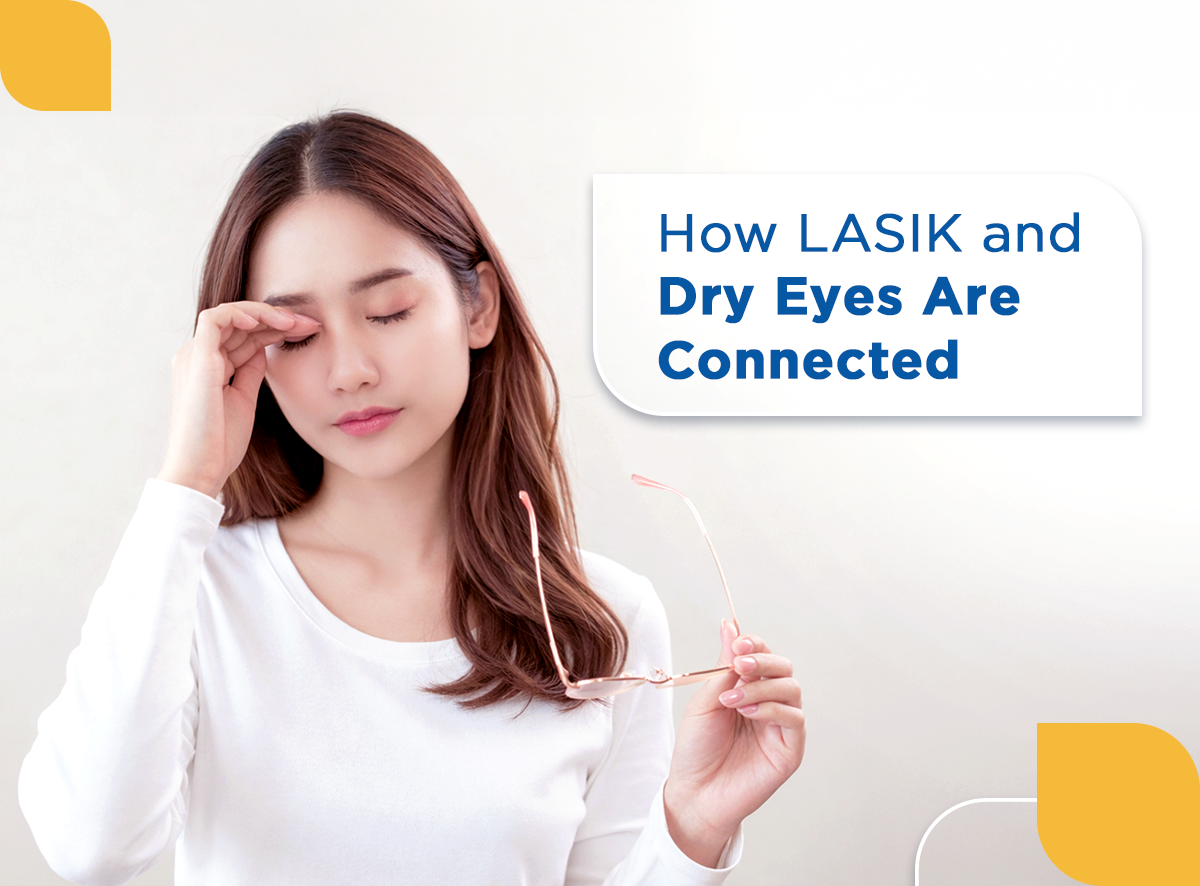
LASIK reshapes the cornea to improve vision. During the procedure, tiny corneal nerves involved in tear
production can be affected. After surgery, blinking may temporarily decrease, causing tears to evaporate faster
and leading to dryness during recovery.
Before surgery
During surgery
After surgery

LASIK is a journey toward clearer vision, and comfort matters just as much as the results. Want to understand
your eye health better before surgery? *Explore more eye health articles or visit an *ophthalmologist near you.
Healthy eyes start with the right care.
REFERENCE